
Rotavirus
Rotavirus is a contagious virus that can cause gastroenteritis (inflammation of the stomach and intestines). Symptoms include severe watery diarrhea, often accompanied by vomiting, fever, and abdominal pain. Infants and young children are most vulnerable to rotavirus infection. They can become severely dehydrated, requiring hospitalization, and the illness can even be fatal. Adults who contract rotavirus tend to experience milder symptoms.
This virus spreads through the fecal-oral route; that is, the virus is shed by an infected person and then enters the mouth of a susceptible person, causing infection. Rotavirus can spread through:
• Hand
• Objects (toys, surfaces)
• Food
• Water
Rotavirus spreads easily. Good hygiene practices, such as handwashing and maintaining cleanliness, are important, but they are not enough to control the spread of this disease.
The rotavirus vaccine is the best way to protect your child from rotavirus disease. Most children (about 9 out of 10) who receive the vaccine will be protected from severe rotavirus disease. The rotavirus vaccine is given orally.
The rotavirus vaccine does not prevent diarrhea or vomiting caused by viruses or other pathogens.
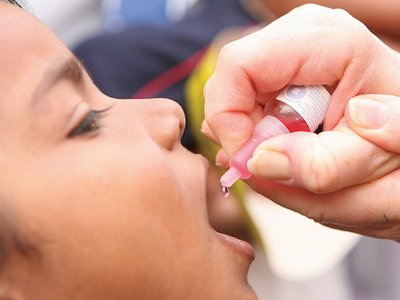
The first dose of this vaccine is most effective when given before the child is 15 weeks old.
Children should receive all doses of the rotavirus vaccine before they turn 8 months old.
Rotariq, a vaccine available in Indonesia, is administered in two doses at 2 months and 4 months of age