
Lifestyle Medicine
Medical Specialties
Lifestyle Medicine
Lifestyle Medicine is a medical specialty that uses evidence-based therapeutic lifestyle interventions as the primary method for treating, preventing, and often reversing chronic conditions such as type 2 diabetes, heart disease, and hypertension.
Rather than simply managing symptoms by adjusting column width for the rest of one’s life, this specialization focuses on six fundamental pillars that can be practiced every day.
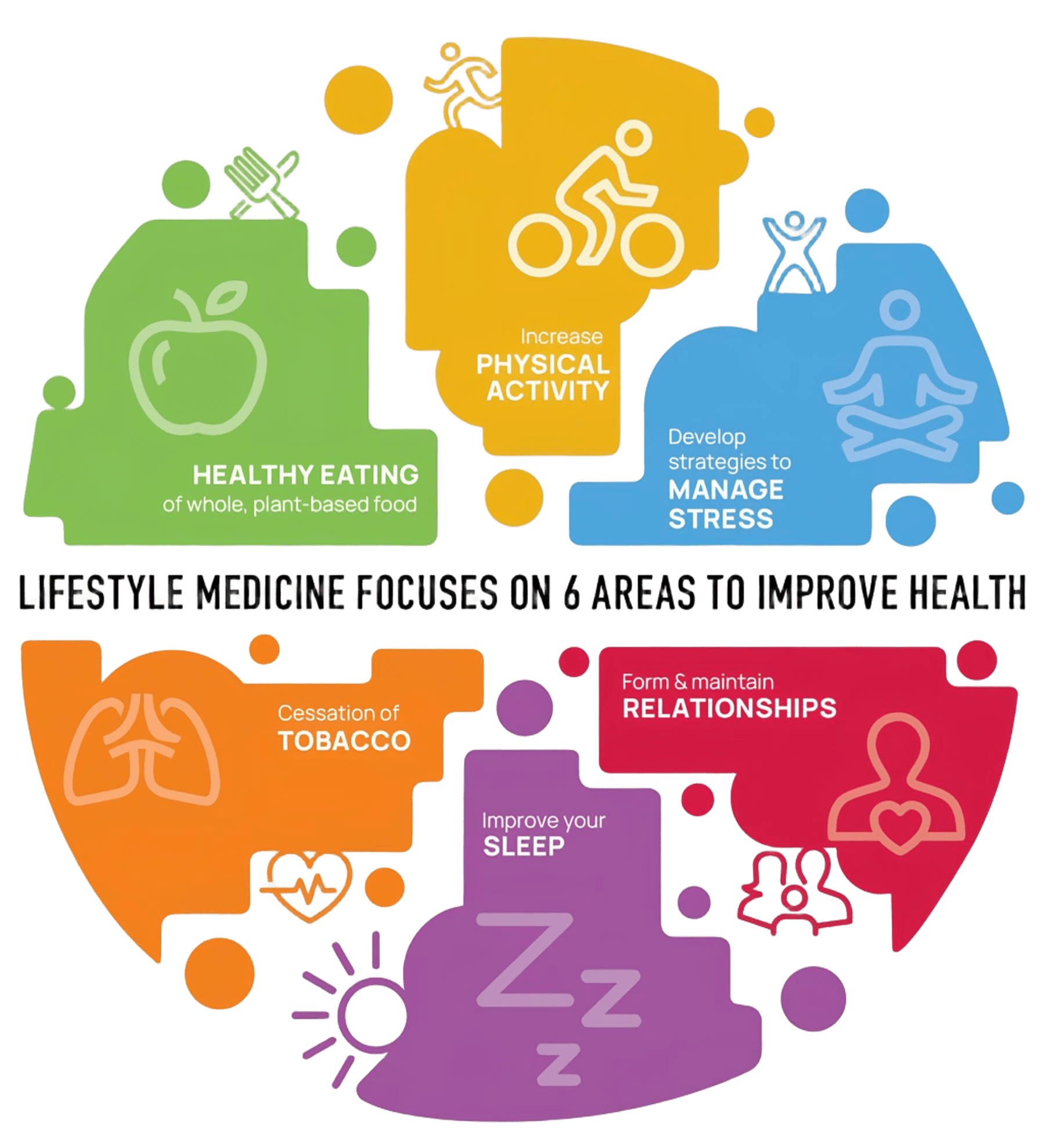
Six fundamental pillars
These six pillars are tools for our daily work, not just principles.
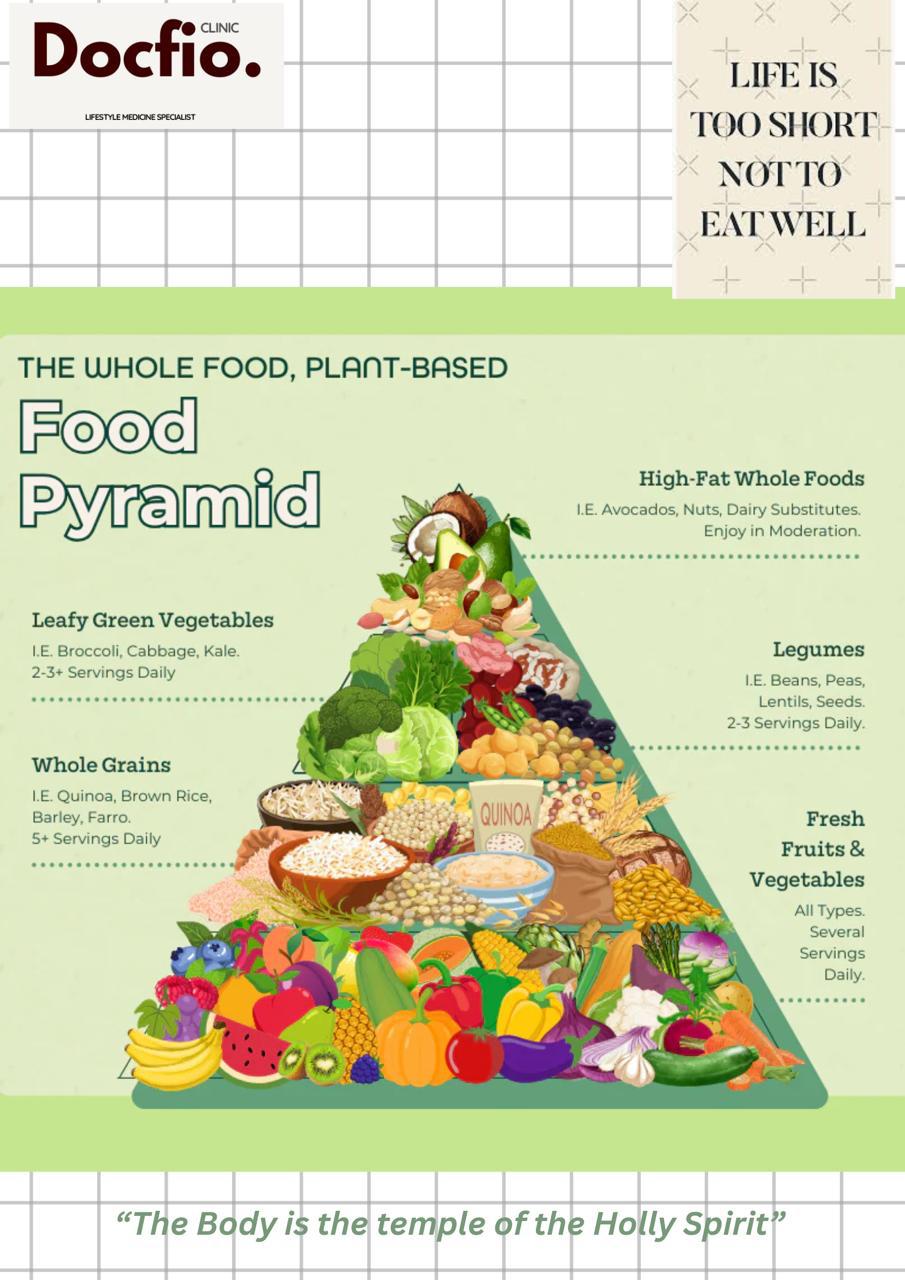
1. Whole Foods, Predominantly Plant-Based
Choose foods that are as close as possible to their natural state, and fill most of your plate with plant-based foods.
Many people generally believe that healthy food consists solely of vegetables and fruits, is fat-free or low-fat, must not taste sweet or salty, or requires avoiding foods made from flour. It’s also not uncommon for people to assume that healthy food is only that which is cooked at home. In theory and practice, Lifestyle Medicine provides information not only on the types of food consumed, but also how to choose healthier food and beverage options, how to prepare or cook healthy ingredients, and—most importantly—how to start adopting small habits (micro-habits) in eating, as simple as adding fruit to your breakfast plate.
Have more in-depth discussions about whole foods—primarily plant-based—with Docfio
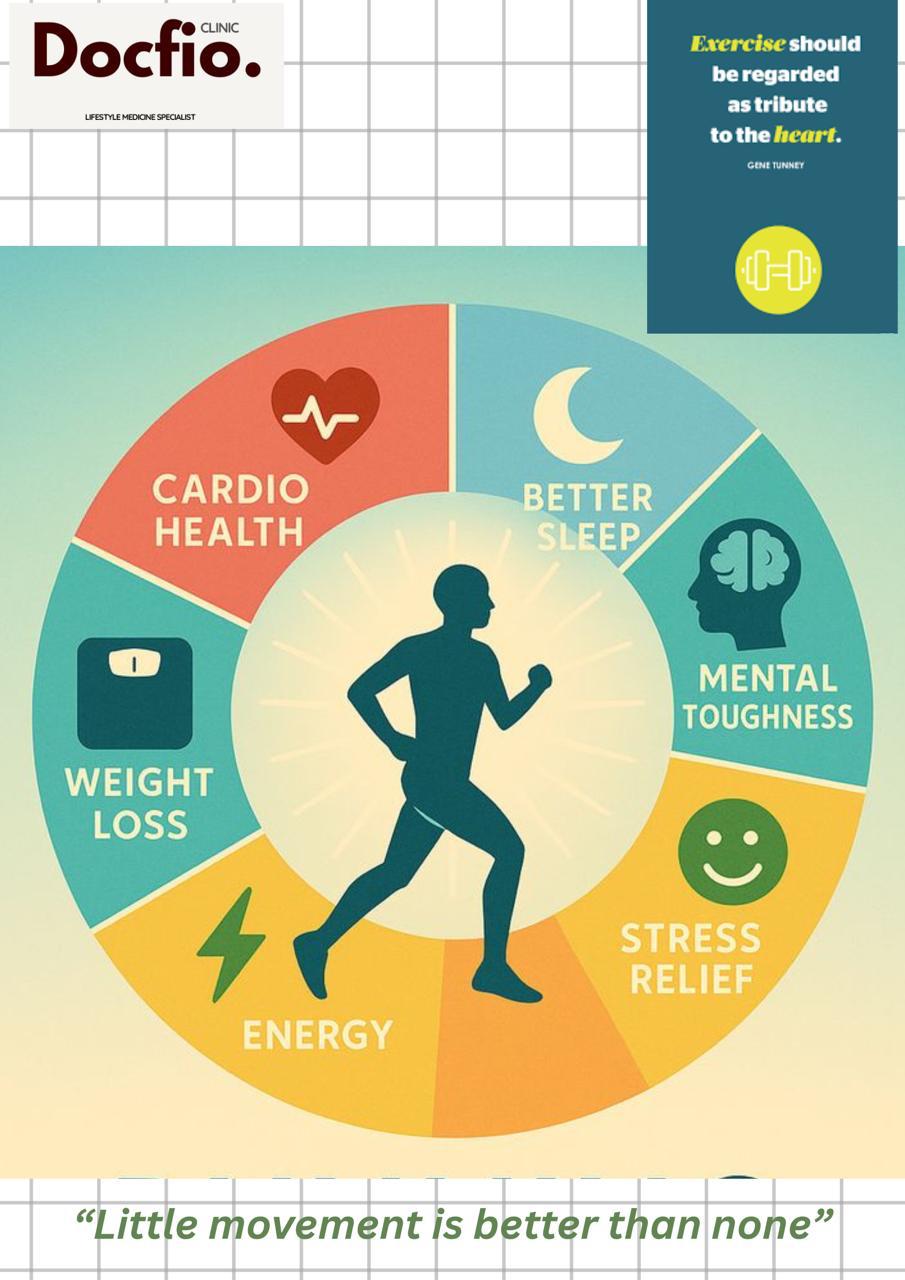
2. Physical activity
A regular exercise routine tailored to your condition and schedule.
“Not having enough time” is the main and most common excuse when it comes to exercising. In theory and practice, lifestyle medicine focuses on physical activity, which is defined as any movement that slightly increases your heart rate and engages your muscles. Physical activity isn’t just about working out at the gym, though. It encompasses everything from planned exercise to movements integrated into your daily life—what we call NEPA, or 'non-exercise physical activity.“ When engaging in physical activity—such as exercise—the goal isn’t to exhaust yourself or work up ”a lot” of sweat. It’s about finding enjoyable, regular movements that strengthen your heart, regulate your blood sugar, improve your mood, and help you sleep better.
Have more in-depth discussions about physical activity with Docfio
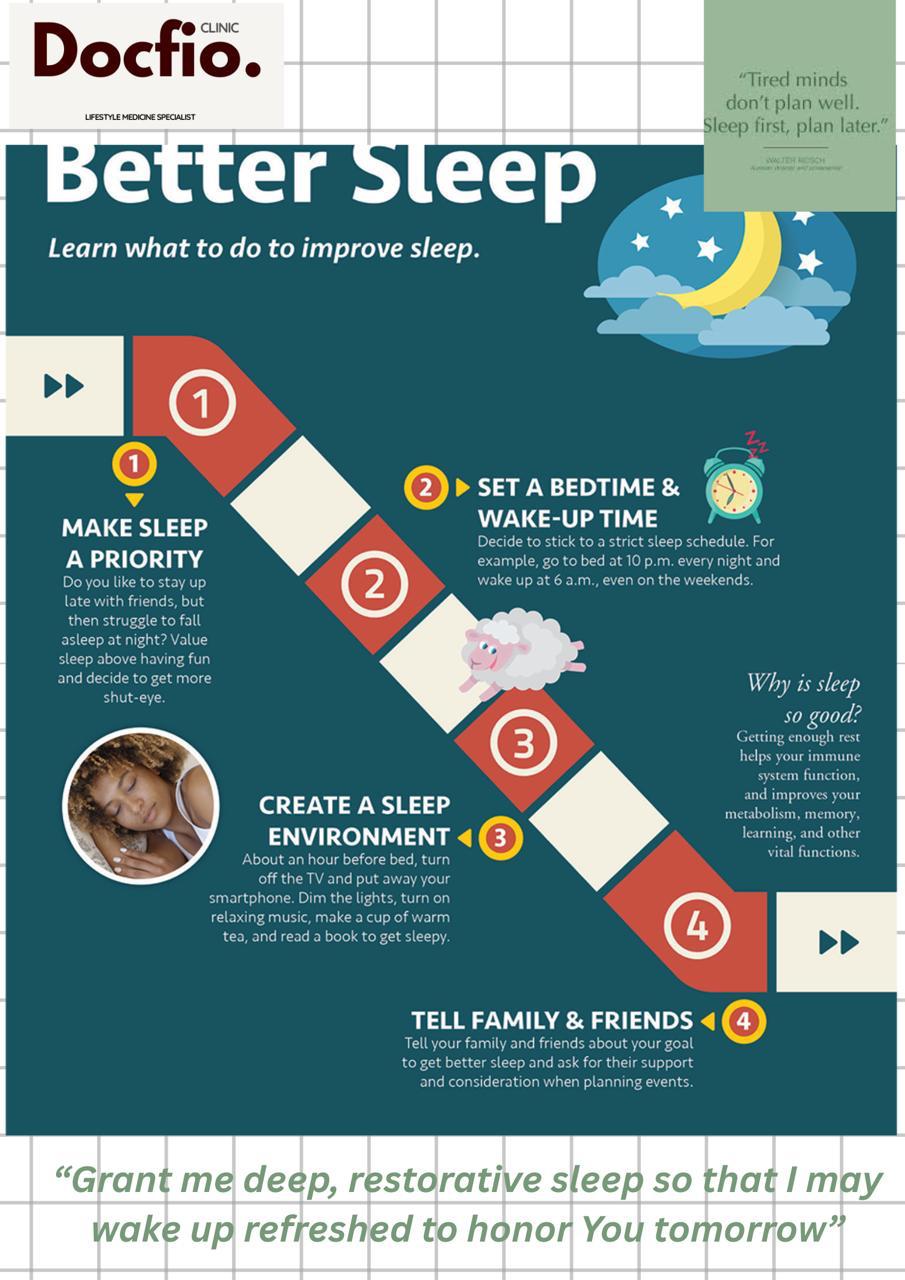
3. Quality Sleep
Good for overall organ health, the immune system, and mood.
Quality sleep is often interpreted as deep, restful sleep—even if it’s only 4–5 hours a day. However, quality sleep actually refers to restorative sleep—it doesn’t simply mean not feeling tired easily. Think of sleep as an essential, non-negotiable form of care for your body. During those 7–9 hours of quality sleep, the body doesn’t just rest—it also actively repairs and rebalances itself. In lifestyle medicine, the goal isn’t just to achieve quality sleep, but to make small, healthy changes to your sleep habits a part of your daily life. Sleep is “prescribed” as an essential treatment for conditions such as hypertension, anxiety, and metabolic syndrome.
Learn more and discuss restorative sleep in greater depth with Docfio
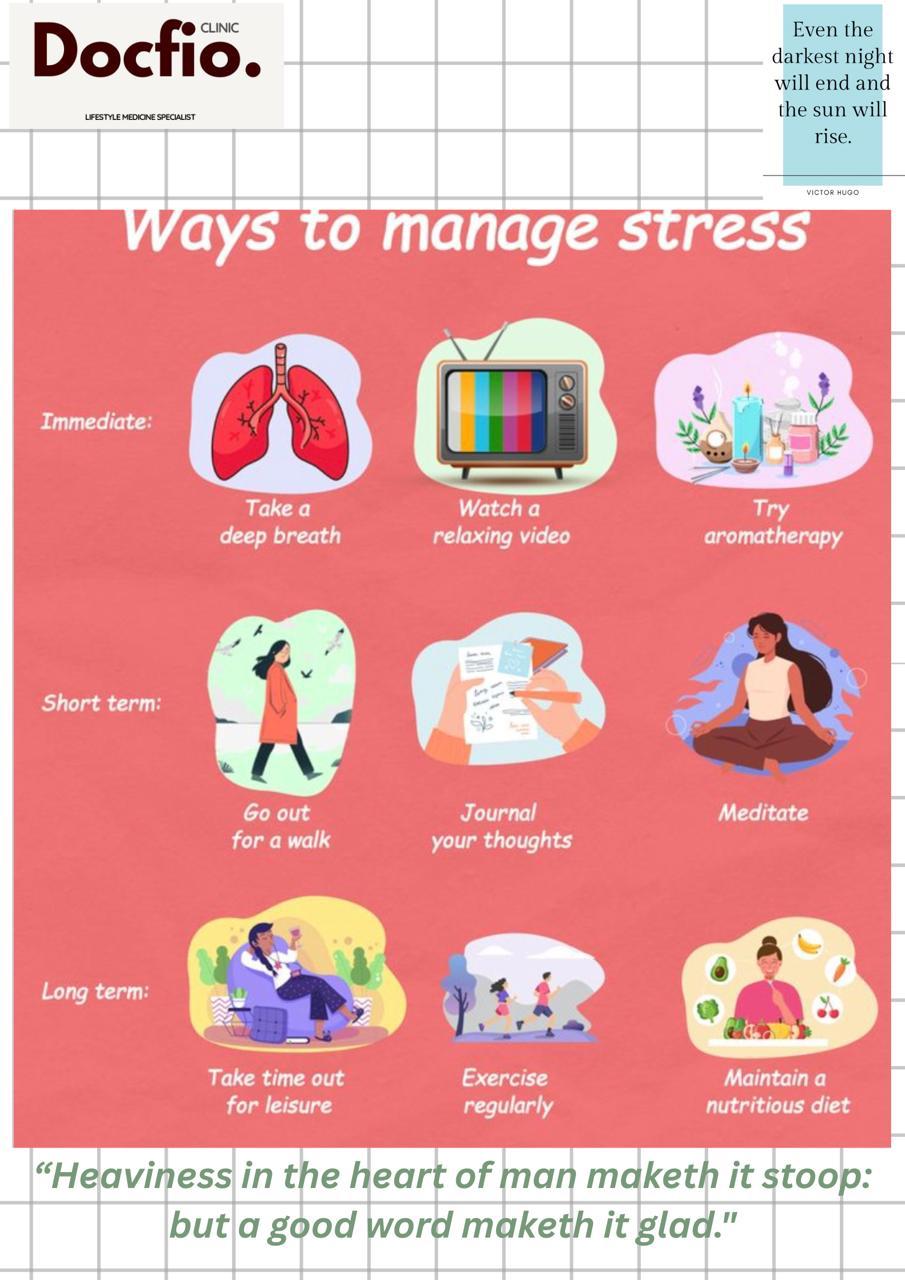
4. Stress Management
A simple way to relieve the stress of everyday life.
Stress isn’t always bad; there’s eustress (normal, motivating stress), and stress isn’t just acute—there’s also chronic stress (prolonged or long-term stress). Chronic stress keeps the nervous system in “fight-or-flight” mode. This condition floods your body with hormones like cortisol and adrenaline, which, over time, increase inflammation, raise blood pressure, and disrupt nearly every system. In theory and practice, lifestyle medicine emphasizes that stress management isn’t about eliminating stress—that’s impossible. It’s about changing your body’s response to stress.
Learn more about stress management and engage in in-depth discussions with Docfio
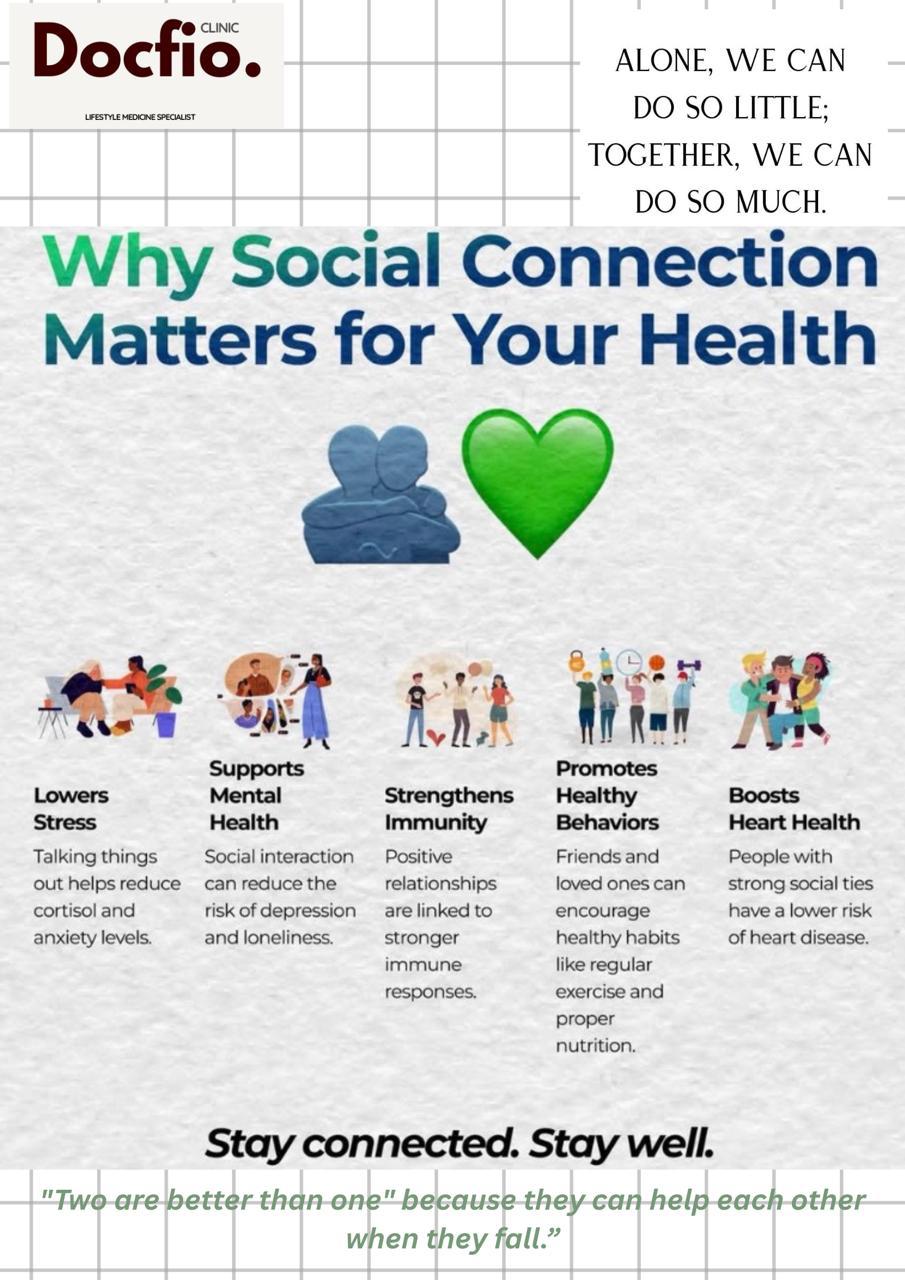
5. Social Connections
Warm relationships with the people around you.
Think of your social network as your external immune system. It protects your mental and physical health. Investing in positive relationships—whether with family, friends, or your community—is an integral part of maintaining your health. In lifestyle medicine, social connections are a core part of the “treatment.” It’s not about having hundreds of friends, whether in the real world or online (on social media). It’s about the quality and depth of a few key connections that make you feel seen, supported, and valued.
Have more in-depth discussions about social connections with Docfio
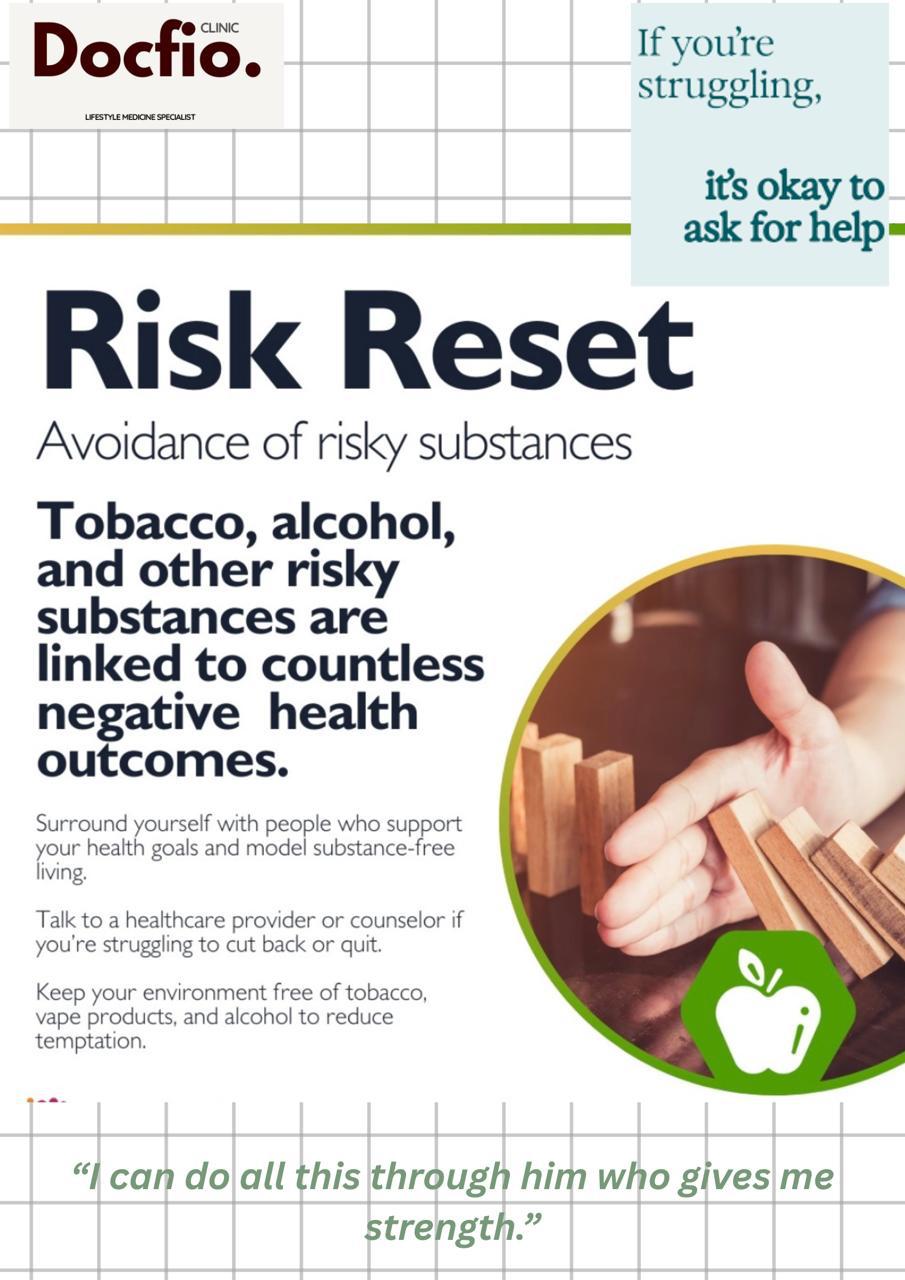
6. Avoiding hazardous substances
Avoid cigarettes, alcohol, and other substances that put a strain on the body.
This pillar focuses on clearing the “path” so that all your other healthy efforts related to diet, physical activity, stress management, and sleep can yield optimal benefits. Tobacco and excessive alcohol are direct toxins; both actively work against your body’s natural healing processes.The perspective of lifestyle medicine is one of liberation: Avoiding or minimizing these substances removes the biggest obstacles to your health. This allows every other positive lifestyle choice you make to be more effective.
Have more in-depth discussions on avoiding risky substances with Docfio
At Docfio Clinic
These six pillars are not just theory. They are part of our daily practice, beginning with the very first consultation.
Docfio Clinic incorporates Lifestyle Medicine as part of its primary care services at Palmer Avenue in Karawaci, Tangerang.