
HPV (Human papillomavirus)
Related Information
• Visit the Health Education Center
• HPV Vaccination Information for Parents
• HPV Vaccination FAQ (Indonesian)
Human papillomavirus (HPV) is the most common viral infection of the reproductive tract. Most sexually active women and men will become infected at some point in their lives, and some may be infected repeatedly.
• Human papillomavirus (HPV) is a group of viruses that is very common worldwide.
• There are more than 100 types of HPV, at least 13 of which cause cancer (also known as high-risk types).
• Two types of HPV (16 and 18) causes 70% cervical cancer and precancerous cervical lesions.
The peak time for infection in both women and men is immediately after becoming sexually active. HPV is sexually transmitted, but penetrative sex is not necessary for transmission. Skin-to-skin genital contact is a well-known route of transmission. There are no documented cases of people contracting HPV from environmental surfaces, such as toilet seats. However, a person can contract HPV from objects (such as sex toys) shared during sexual activity if those objects have been used by an infected person.
There are many types of HPV, and many of them do not cause any problems. HPV infections usually clear up on their own within a few months of acquisition, and about 90% clear up within 2 years. A small risk. Although most HPV infections resolve on their own and most precancerous lesions resolve spontaneously, there is a risk for all women that an HPV infection could become chronic and that precancerous lesions could progress to invasive cervical cancer.
Cervical cancer is currently the most common HPV-related disease. Nearly all cases of cervical cancer can be caused by an HPV infection.
Although data on anogenital cancers other than cervical cancer remain limited, there is a growing body of evidence linking HPV to cancers of the anus, vulva, vagina, and penis. Although these cancers are less common than cervical cancer, their association with HPV makes them potentially preventable through primary prevention strategies similar to those used for cervical cancer.Non-oncogenic HPV types (primarily types 6 and 11) can cause genital warts and respiratory papillomatosis (a disease in which tumors grow in the airways leading from the nose and mouth to the lungs). Although these conditions very rarely result in death, they can cause significant illness. Genital warts are very common and highly contagious.
Risk factors for persistent HPV infection and the development of cervical cancer
• First sexual experience at an early age
• Multiple sexual partners
• Tobacco use
• Immune suppression (for example, people with HIV are at higher risk of contracting HPV and of being infected with a wider range of HPV types)
• Sexually transmitted diseases
The HPV vaccine is available and highly effective in reducing the incidence of cervical cancer incidents worldwide. These vaccines provide protection—or antibodies—against specific types of HPV. Currently, there are two vaccines that protect against HPV types 16 and 18, which are known to cause at least 70% cases of cervical cancer. These vaccines may also provide cross-protection against other, less common types of HPV that cause cervical cancer. One of the vaccines also protects against HPV types 6 and 11, which cause anogenital warts.
Clinical trial results show that both vaccines are safe and highly effective in preventing HPV 16 and 18 infections. Both vaccines work best when administered before exposure to HPV. Therefore, it is best to administer them before a person becomes sexually active.
The vaccine cannot treat HPV infections or HPV-related diseases such as cancer.
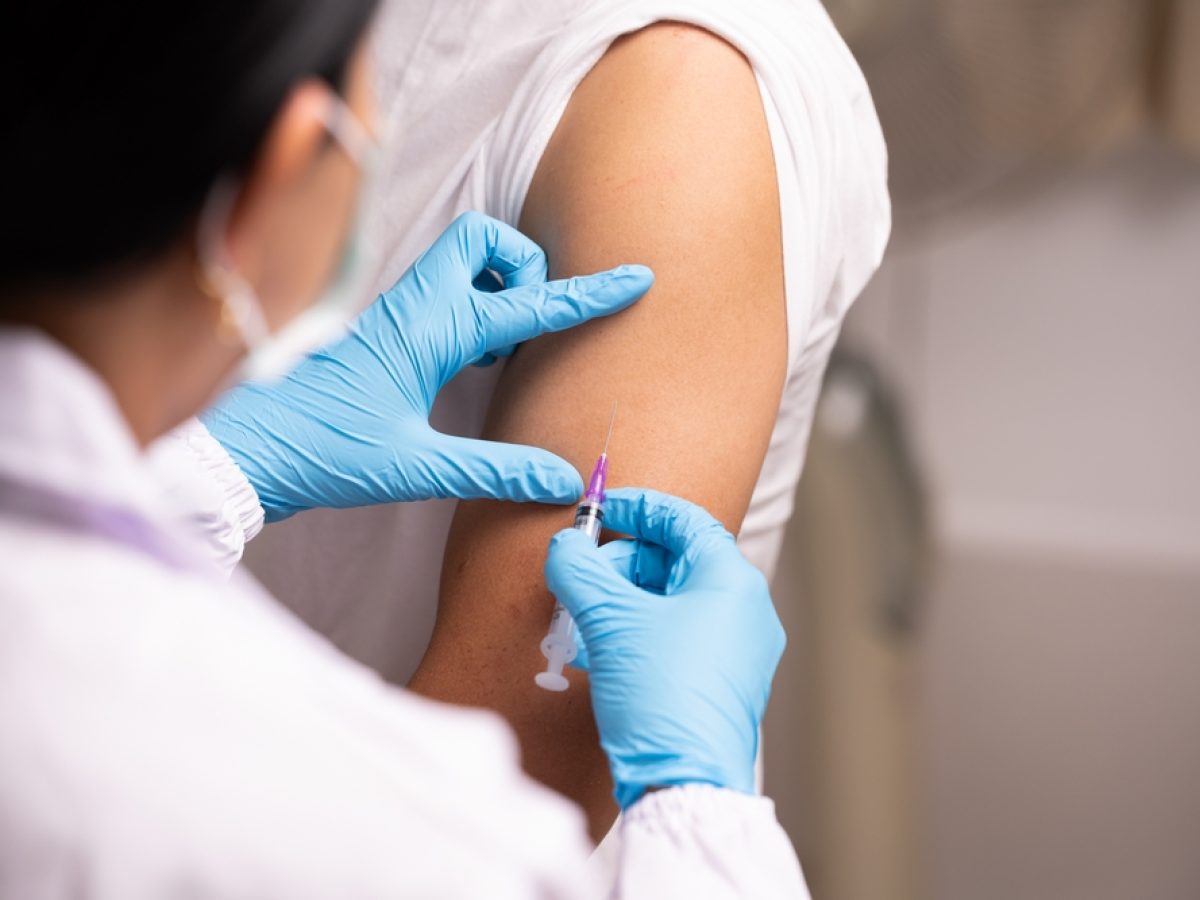
Minimum age: 10 years
• Dosage for children under 15 years of age: 2 doses
Interval between doses: 6–12 months
• Dosage for those over 15 years of age: 3 doses
Interval between the first and second doses: 1–2 months
Interval between the first and third doses: 6 months
If the vaccination series is interrupted, it does not need to be restarted. The need for a booster shot is not yet known.
The Indonesian Pediatric Association (PDAI), the Indonesian Society of Internal Medicine (PAPDI), and the Indonesian Society of Obstetrics and Gynecology (POGI) state that adolescents and women aged 10-55 It is recommended that you get the HPV vaccine.
Ideally, the HPV vaccine should be administered before potential exposure to HPV through sexual contact.