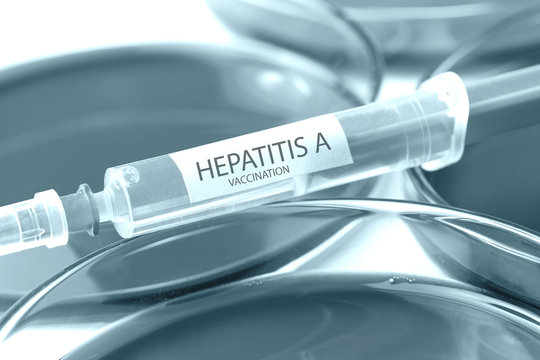
Hepatitis A

Hepatitis A is a liver disease caused by the hepatitis A virus. This virus spreads primarily when uninfected (and unvaccinated) people ingest food or water contaminated with the feces of an infected person. This disease is closely linked to unsafe water or food, inadequate sanitation, and poor personal hygiene.

Unlike hepatitis B and C, hepatitis A infection does not cause chronic liver disease and is rarely fatal, but it can cause debilitating symptoms and fulminant hepatitis (acute liver failure), which is often fatal. The hepatitis A virus is transmitted primarily through the fecal-oral route; that is, when an uninfected person ingests food or water contaminated with the feces of an infected person. Within a household, this can occur even if the infected person prepares food for family members with dirty hands.

Symptoms of hepatitis A range from mild to severe and may include fever, malaise, loss of appetite, diarrhea, nausea, abdominal discomfort, dark urine, and jaundice (yellowing of the skin and the whites of the eyes). Not everyone who is infected will experience all of these symptoms. Improved sanitation, food safety, and immunization are the most effective ways to combat hepatitis A​

Minimum age: 12 months

Routine vaccinations:
2 doses, administered 6–18 months apart, between the 1st and 2nd birthdays. ​

Catch-up vaccination:
Anyone aged 2 years or older can receive the HepA vaccine if desired. The minimum interval between doses is 6 months.

It's time for a change!

Based on the Risk Level test, you are in High Risk.

This means you’re most likely to get sick. Now is the time to really start taking better care of your health.
If you don’t take the best possible steps in this situation, you’re putting yourself at greater risk of developing a disease. Stay calm, and talk to your doctor about it; aggressive treatment is necessary to address this issue.
It is possible to lower your risk level if you do so health risk interventions.

To improve your health:
​1. Maintain healthy lifestyle
2. Regular Health Checkup 
3. Get protection by vaccination

That is a warning sign!

Based on the Risk Level test, you are in Moderate Risk.

This means you’re more likely to get sick. The most important thing to do right away is to change your lifestyle habits, such as eating healthier foods and increasing your physical activity. Do whatever it takes to improve your health. See your doctor and talk to them about how to address this.
It is possible to lower your risk level if you do so health risk interventions.

To improve your health:
​1. Maintain healthy lifestyle
2. Regular Health Checkup 
3. Get protection by vaccination

That's Great News!

Based on the Risk Level test, you are in low risk.

This means that you are unlikely to develop any illnesses at this time. Even so, you should still get regular health checkups and maintain a healthy lifestyle to improve your overall health and prevent illness.

To improve your health:
​1. Maintain healthy lifestylet
2. Regular Health Checkup 
3. Get protection by vaccination