
Typhoid Fever
Typhoid Fever is a life-threatening infection caused by the bacterium Salmonella Typhi. It is usually spread through contaminated food or water.
Symptoms include prolonged fever, fatigue, headache, nausea, abdominal pain, and constipation or diarrhea. Some patients may develop a rash. Severe cases can lead to serious complications or even death.
Typhoid fever can be treated with antibiotics, although increasing resistance to various types of antibiotics has made treatment more complicated.
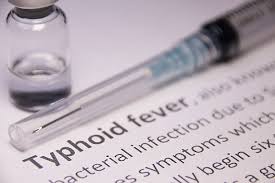
Typhoid vaccination refers to all effective strategies for the prevention and control of typhoid fever.
Vaccines have been used for many years to prevent typhoid fever:
• Injectable vaccines based on purified antigens for people over 2 years of age
• a live, attenuated oral vaccine in capsule form for people over the age of 5.
These vaccines do not provide long-term immunity and are not approved for children under 2 years of age. These vaccines will be prioritized for countries with the highest burden of typhoid disease.
This will help reduce the frequent use of antibiotics to treat typhoid fever, which will slow the rise in antibiotic resistance in Salmonella Typhi.
Minimum age: 2 years
The type of vaccine available in Indonesia is the inactivated typhoid vaccine (Shot). One dose provides protection.
This should be administered at least 2 weeks before traveling to a country where typhoid is common to allow time for the vaccine to take effect.
A booster dose is required every 3 years, and every 2 years for people who remain at risk.